The Ligmincha Curriculum: the Nine Ways of Bön
We offer a sequence of online courses that covers the vast expanse of the rich practices that encompass Bön, the ancient indigenous spiritual tradition of Tibet. This collection from each of the four major categories of practice will give a broad overview of the methods and practices of the tradition.
The short descriptions below will give some taste of our current courses, and courses to come :
Foundations of the Path
Introduction to the Nine Ways of Bön-Buddhism
This overview course explores the historical background of the tradition, and the life and teachings of its founder, Tonpa Sherab Miwoche. Each of the four major vehicles are introduced, comparing the view and methods of the causal vehicle, sutra, tantra and dzogchen. Our free Starting a Meditation Practice is a great place to start.
For more information about the tradition and the Nine Ways of Bön, you might try our self-paced course, the Treasures of Bön.
The Causal Vehicle
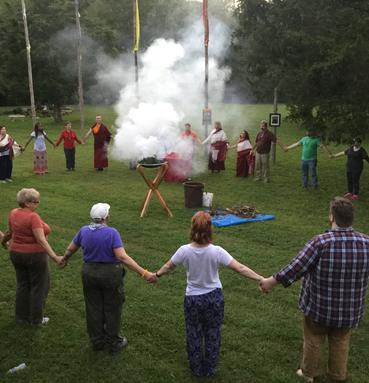
Tibetans view the earth as a living world, filled with presence. The many methods of the Causal Vehicle are ways to relate to and work with the energies of our world. They include a great diversity of practices, including the foundation of Tibetan medicine theory and practice, sang chöd, or smoke offerings, many healing rituals, and astrology.
The self-paced course Raising Windhorse teaches when and how to use prayer flags to increase energy and good fortune.
The Five Elements practices may be approached from the Causal or Tantric views. A great book on this topic is Sacred Smoke, which you can buy at our online shop.
Sutra: Path of Virtue
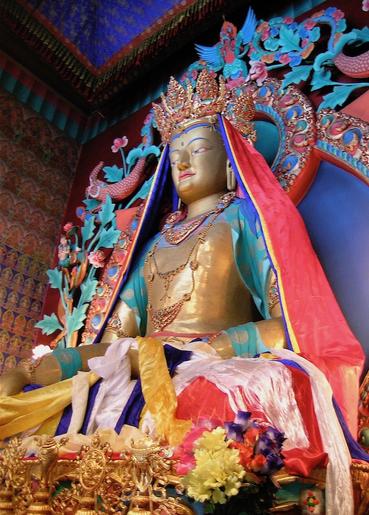
Sutra is the path of cultivation of virtue. It includes many practices that purify our karmic obscurations, empty the mind of attachments, and create an altruistic and compassionate attitude. There are many practices within the traditions of sutra, such as the study and practice of the Ten Perfections, the use of purifying mantras, the taking of refuge, and the great practice of prostrations. We will develop a series of courses that address these and other related practices, all of which are the foundation for a virtuous and peaceful life.
Our nine month course, Ngöndo: Foundations of the Path is a great introduction to Sutra, Tantra and Dzogchen.
Tantra: Path of Transformation
Tantra is the path of transformation, integration, and clear vision. The tantras help us understand that the source of suffering is our own perception of reality, attachments to our habits, and reluctance to change. Through Tantra we can begin to experience our world as a divine dance, a dance which we can enjoy in every moment.
Tenzin Wangyal Rinpoche teaches from a variety of tantras, but most frequently our teachings are drawn from the Ma Gyud, or Mother Tantra, the highest of the tantras in the Bon Buddhist lineage. The Ma Gyud includes the practices of dream and sleep yogas, tsa lung, the transformation at the time of death, the Chöd of cutting attachments.
Our free Starting a Meditation Practice courses introduce simple practices such as the 9 breathings of purification and tsa lung. Three Heart Mantras teaches the use of sacred mantras. Tibetan Sound Healing is another powerful tool for bringing sacred syllables into your life and practice.
The Six Realms of Existence – transforming our emotions supports the purification of negative habits and afflictive emotions and cultivates virtuous qualities of our being.
Sleep Yoga is a method to rest in clear light meditation while asleep. The Tsa Lung exercises are taught in the Meditation, Breath and Movement course. These practices support our physical, emotional and mental health, and clear the mind making it easier to perform all other types of meditation.
In the Five Elements course, through practices of the elements, we discover our elemental tendencies, and how to rebalance our bodies, our actions and our minds.
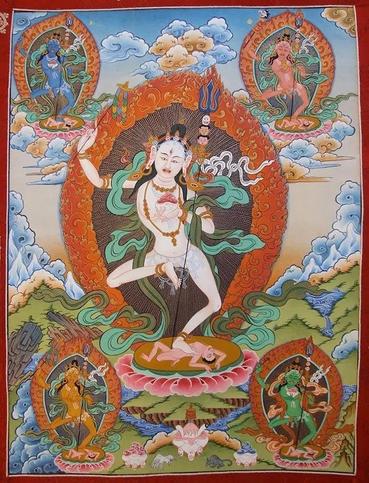
Our course on the practice of Sherap Chamma, the wise and loving divine mother, introduces how to connect directly with presence through deity yoga.
Dzogchen: Path of Clear Light
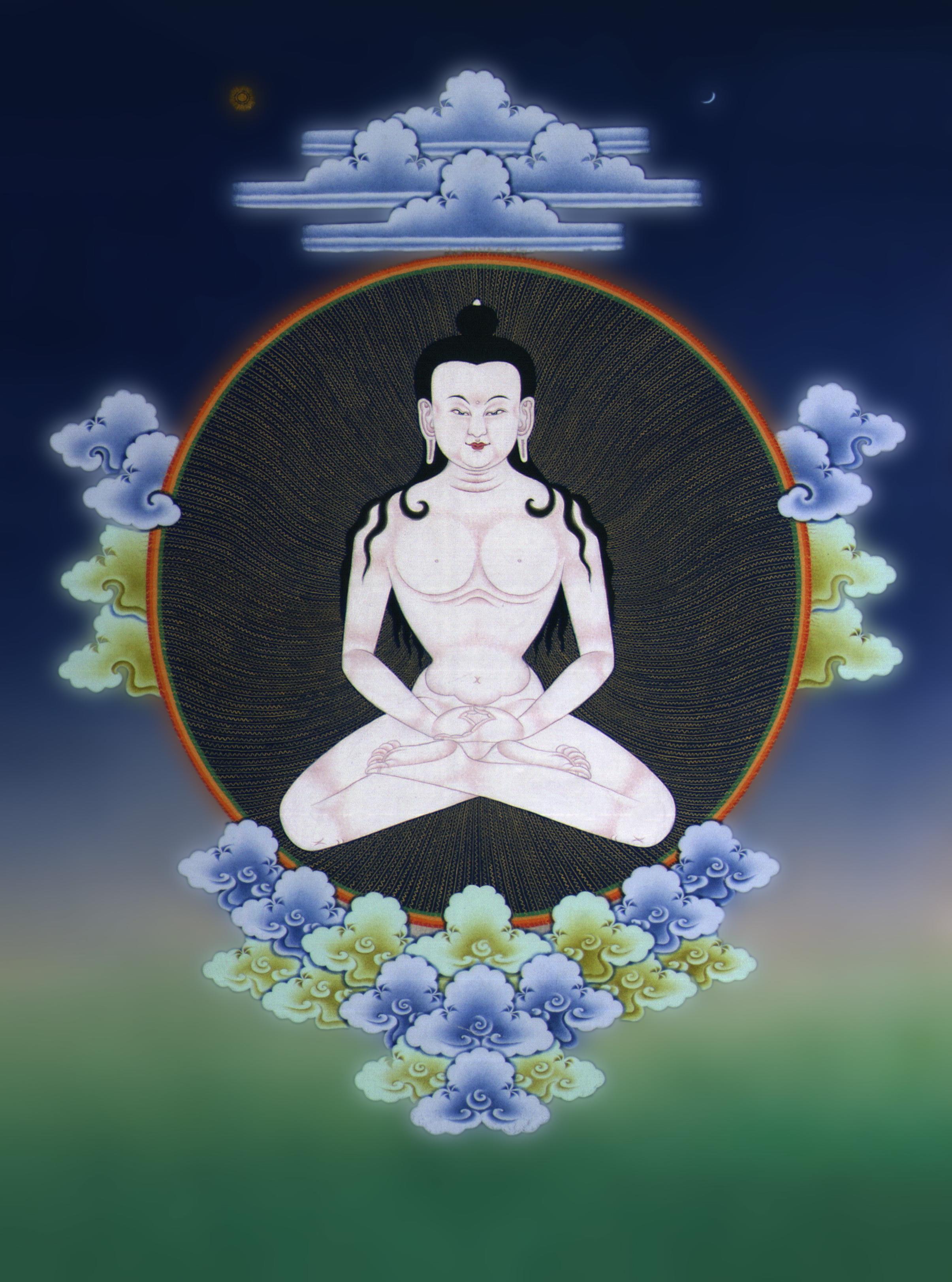
Dzogchen is known as the Great Perfection. In many ways it is the simplest, yet most subtle of the paths to enlightenment. The great masters and texts of dzogchen teach us that the essence of our being is perfectly clear, open and luminous. Our challenge is to simply and directly discover that within ourselves. In some ways the method of dzogchen is no method; just simply to be, free, open and aware. But this is easier said than done. Fortunately there are a variety of teachings and methods that help support us in this path. The Heartdrops of Dharmakaya includes pointing out instructions and physical and mental methods that help us to experience the nature of Mind. The Atri teaches methods of stabilization, so that we may rest in clear open awareness as long as we like. And the Zhang Zhung Nyen Gyud reveals a rich and diverse set of practices and explanations that help us connect with our own true essence.
Since Tenzin Wangyal Rinpoche is a dzogchen master, all of our courses are from the view of dzogchen. The Six Lokas is traditionally the purification mediation that is done prior to beginning dzogchen meditation practices. For dzogchen teachings it is best to attend an in-person or online retreat with a qualified teacher, like Tenzin Wangyal Rinpoche and other Bön lamas.
 Ligmincha Learning
Shipman, VA 22971
United States